Who we are:
About the authors:
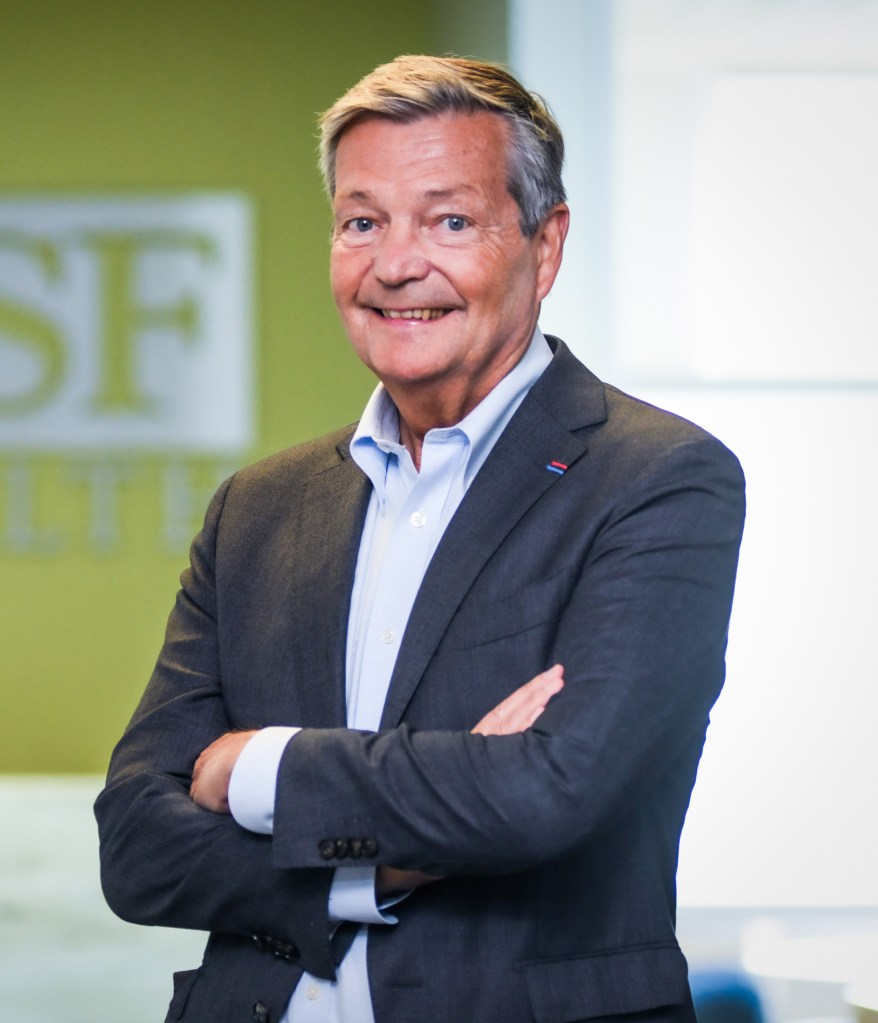
Christian Brechot is a physician, teacher, and scientist. He was a professor of medicine at Paris Cite University (now Paris Cite), head of a clinical liver department, and director of a research unit at the National Institute of Health and Medical Research (Inserm). He then became President of the French Inserm (the French NIH). Subsequently, he served as Vice President of the Mérieux Institute and President of the Pasteur Institute. Since 2018, he has been a professor at the University of South Florida and President, then Vice-Chairman, of the Global Virus Network, a network of 80 virology research centers worldwide.

Emmanuel Roux comes from a long line of pioneers driven by curiosity and humanism. Having spent his formative years on his family farms, he discovered early on the importance of soil and human microbiomes through one of his uncles, Dr. Jacques Bas, a gastroenterologist who, founded in 1950 the French Association for Research on Normal Nutrition and early promoter of organic generative agricultural methods Following a highly diverse career and driven by an entrepreneurial spirit, he created agrifood and restaurant businesses and organic farming initiatives. He resides in St. Petersburg, Florida, where he developed an educational urban farm concept based on soil regeneration. He is a consultant for the development of short-cycle food systems.
The blog was born from the creation of the “USF Microbiomes Institute” at the University of South Florida in Tampa, Florida, by Christian Brechot, enabling the intersection of disciplinary fields previously studied in isolation.
Christian Brechot and Emmanuel Roux have also recently published a book (in French, to be rapidly published in English), entitled “La Revolution des microbiomes, Medecine des hommes, medicine des sols) This book and the blog have been driven by the meeting of two individuals whose profiles and areas of interest are very different yet highly complementary, sharing a common passion for studying microbiomes and their impact on nutrition and health.
This book is the first to offer an integrated, holistic view of the interconnections between the enormous populations of bacteria (referred to as microbiomes) in the soil, the oceans and humans and how they can provide solutions to the health and environmental crises facing humanity. We hope that a better understanding of microorganisms may lead us to understand ourselves and humanity better while drawing from their resilience information to ensure our own.
This blog intends to offer a broad and genuinely transdisciplinary view of these significant challenges.
We will provide a short op/ed every two weeks to stimulate discussions.
We will also provide an updated library of many articles on this topic.
 The Microbiomes Revolution