
Understanding microbiomes to preserve soil oceans and human health in a shared destiny
The Impact
The impact of the human microbiome on human health has now been increasingly recognized. However, the connections and interactions between human, soil and ocean microbiomes are still underappreciated.
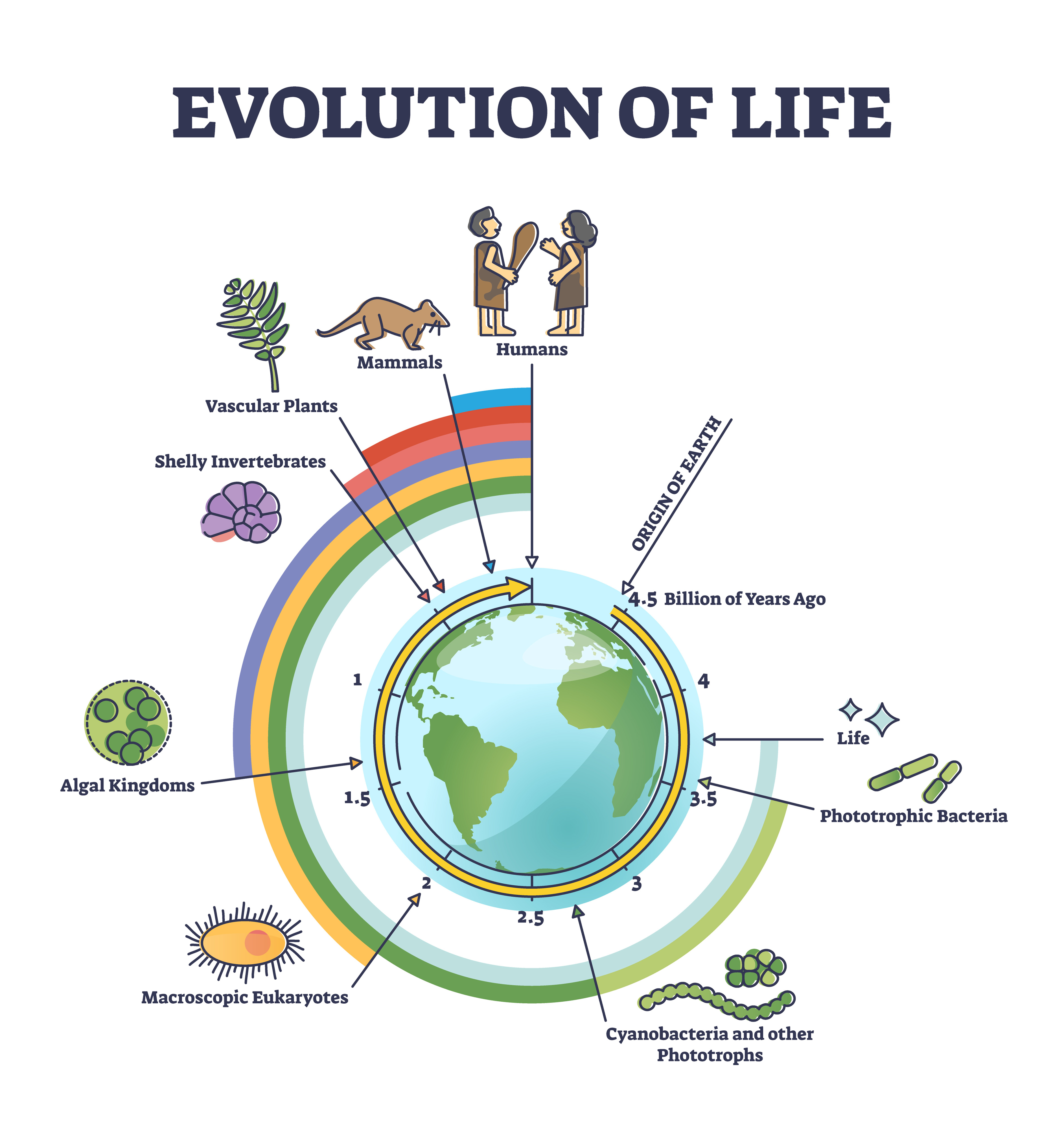
Ancient Dominance: Bacteria’s 4.2-Billion-Year Reign Far Outlasts Humanity
Microorganisms and bacteria in particular, have occupied the earth for approximately 4.2 billion years, multicellular organisms for approximately 600 million years, and humans a mere two hundred thousand years, a minuscule fraction of bacteria’s lifetime on earth.
Bacteria Reign: Earth’s 70-Gigaton Microbial Giants Dwarf Humanity’s Biomass
Today, bacteria alone represent an estimated biomass of 70 gigatons or 1200 times the 0.06 gigatons representing the weight of eight and a half billion humans. This disproportion illustrates the key role of bacteria in the natural world from two and a half miles below the surface of the earth to the upper reaches of the atmosphere, from the oceans to the geysers, the dry valleys of Antarctica, and the most inhospitable deserts such as the Atacama.


Survival
Over their long history, bacterial colonies have adapted to every possible environment and colonized every living organism. Their remarkable resilience may be the result of life principles tested over the eons during which microorganisms successfully met enough challenges to survive to the present.
While invisible to the naked eye, their biomass influences life on earth at every level.
The invisible is enormous and omnipresent.

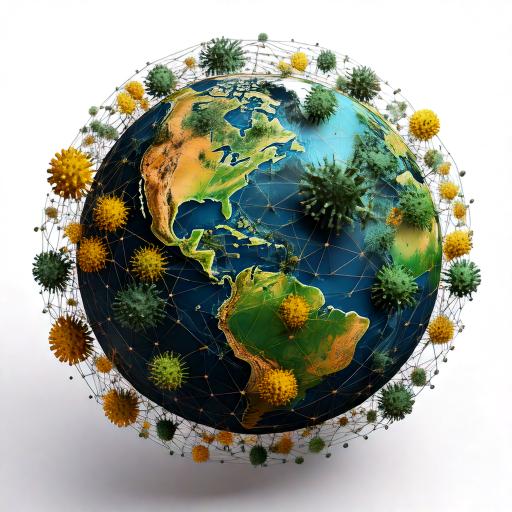
We need a novel vision of the impact of these bacterial communities on the oceans, the soils, and human health. Indeed, bacteria should be viewed as our allies and can offer concrete solutions to significant environmental challenges by establishing new agricultural practices that respect the quality of our nutrition and environment. We are on the brink of a true medical revolution that will only occur if it is based on a genuinely transdisciplinary approach and massive investment commensurate with these health and environmental challenges.
We are living in a critical moment that will have a significant impact on the future of humanity. We are emerging from a century of intensive agricultural production based on monoculture, which aims to meet the rapid increase in population. These efforts were justified. Malnutrition remains a major issue, and the quantity of food is an essential objective. But we are also facing a loss of understanding regarding the fundamentals of a healthy diet. Thus, we must confront undernutrition in poor countries and among poor populations in so-called “developed” countries. Simultaneously, we must address the harmful effects of diets that harm health in economically wealthy countries—diets whose model we transmit to poorer nations.

To address these challenges, it is crucial not to forget that soils and their microbiomes offer us largely untapped possibilities. In a way, the soil is the digestive system of the earth! Agriculture begins with the soil, and its long-term productivity depends on soil bacteria.
To benefit from this, we must use these bacterial communities as allies. The complexity, diversity, and symbiotic relationships within microbiomes are such that we are still far from understanding all the systems that govern their communities.
This blog intends to offer a broad and genuinely transdisciplinary view of these significant challenges.
We will provide a short op/ed every two weeks to stimulate discussions.
We will also provide an updated library of many articles on this topic
Recent Highlights
See More→
-
Microbiomes are important in improving the prevention and treatment of cancer and chronic viral infections.
Christian Brechot, MD, PhD In the previous editions of our blog, we have emphasized the need to consider the microbiomes,… Read More
-
Local Food Systems: Underestimated but Critical Public Health Tools
Organic local farmers and public health professionals share a lack of appreciation and recognition for their impact on a community’s… Read More
-
The microbiomes revolution
The microbiomes revolution: Medicine of humans, medicine of the soils and oceans. Understanding microbiomes to preserve soil oceans and human… Read More

 The Microbiomes Revolution